Civil litigation and property claims

Illinois Insurance Claim Denial Lawyer

A denied, delayed, or reduced insurance payment can leave repairs and business plans unresolved. A claim review should explain the insurer's position, the policy language involved, and what evidence could support a different result.

Affordable options, including free initial consultations for people seeking to hire a lawyer, flat fees, limited-scope help and monthly payment plans. Your fee is confirmed in writing before you engage the firm. Fees and payment options

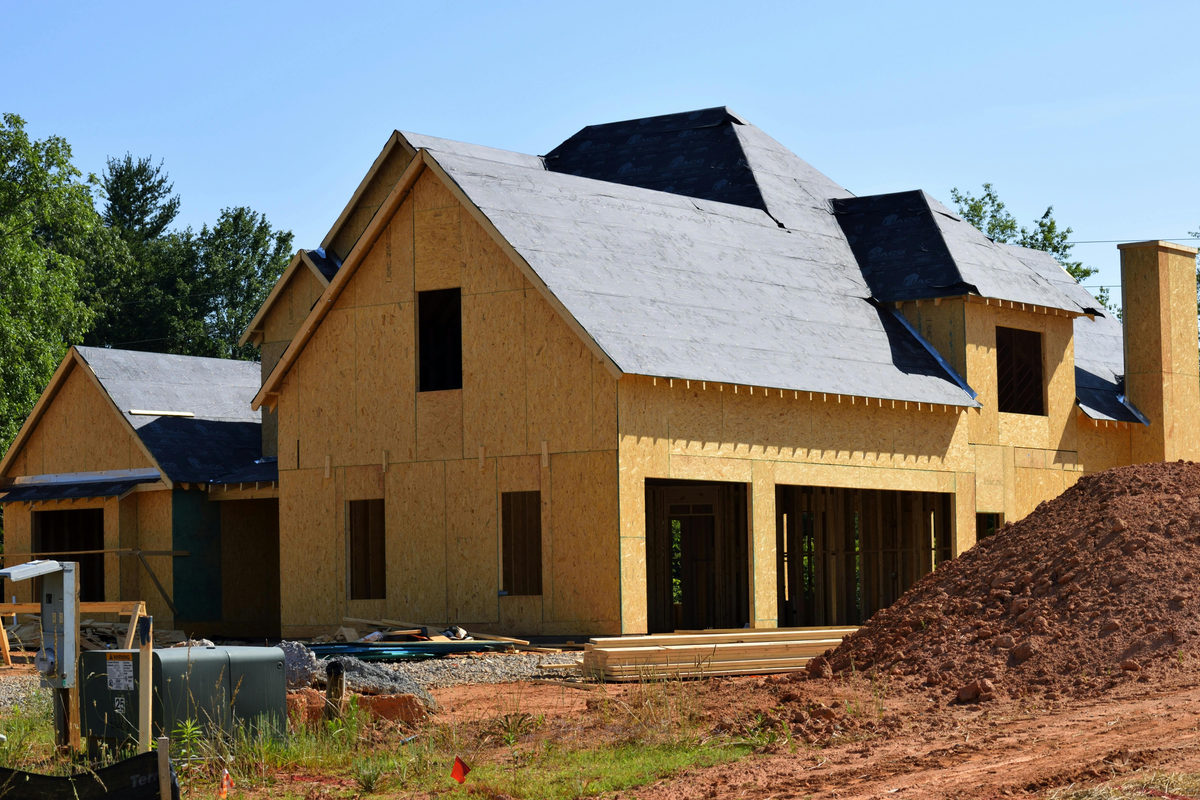
House under construction with exposed wood sheathing
Illinois Insurance Claim Dispute Lawyer

53 W Jackson Blvd, Suite 752, Chicago, IL 60604

Cook and DuPage County courts

Your next step

Book a Free Consultation

Looking to hire an attorney? Answer the required questions and choose a consultation. The calendar will open automatically. No personal or case details are needed here.

Initial consultations are free for people seeking to hire an attorney. Representation fees and the scope of work are confirmed separately.

Call the firm: 312-965-5618

The initial consultation is free for people considering hiring an attorney. This question asks whether you need the legal work itself to be free.

Choose the help you need and answer the required questions.

Booking does not establish an attorney-client relationship. Acceptance and engagement terms are confirmed separately.

Before you begin

What matters first.

For a denied, delayed or partly paid insurance claim, begin with the full policy, the insurer's explanation and the documents supporting the loss. Identify whether the disagreement concerns coverage, the value of the loss or the way the claim was handled. Keep a dated communication record so the review can address the actual dispute and possible next steps.

Discuss your next step

Related guidance: Contact Chicago Family Attorneys.

Prepare for a focused conversation

Select the records you have ready. This checklist stays on this page and is not submitted.

Explore more preparation tools
Insurance-claim disputes

Explore this area of law

Facing an insurance denial, delay, or payment dispute? Review your policy, claim record, and options with an Illinois insurance claim litigation attorney.

Guides and specific questions

What to do after an Illinois home insurance claim is denied

A practical workflow for identifying the dispute, assembling evidence and choosing between an insurer review, an IDOI complaint and legal review.

What does a commercial insurance lawyer review in the dispute?

Insurance disagreements are not all the same. The insurer may dispute whether a loss is covered, its cause, the amount of damage, or compliance with a policy condition. A deductible, limit, exclusion, or endorsement may explain only part of the decision. Separate these issues before deciding what to submit next.

For example, a lower repair estimate raises different questions from a denial based on the cause of the damage. One may require a comparison of quantities and prices. The other may turn on inspection findings and the relevant policy language. The review should identify the real point of disagreement instead of repeating the claim narrative.

Related reading

Explore the next question

Which policy records should a commercial property insurance attorney review?

Provide the policy in force on the date of the loss, including declarations, forms, and endorsements. A declarations page lists important information but usually does not contain every condition. Compare the insurer's explanation with the provision it relies on and the facts it says support the decision.

Identify who is insured, who owns the affected property, and who made the claim. A claim under your own policy can present different issues from a demand against another person's insurer. If the insurer is defending a lawsuit under a reservation of rights, include both the coverage correspondence and the lawsuit papers.

What loss records help business insurance claim lawyers assess an unpaid benefit?

Organize photographs, inspections, repair estimates, invoices, receipts, and payment explanations. For each disputed item, identify the requested amount, the amount allowed, and the reason given for the difference. Include any depreciation, deductible, or limit shown in the calculation without assuming that every deduction is improper.

For business-related losses, gather the records used to calculate the claim and explain the period involved. An unsupported estimate can be difficult to evaluate even when the underlying loss is real. Expert assistance may be appropriate when the dispute concerns cause, repair scope, or valuation. Discuss that expense before authorizing the work.

Evaluate claim handling separately from coverage

Section 155 of the Illinois Insurance Code permits a court to award specified fees, costs, and additional relief when its requirements for vexatious and unreasonable conduct are met. An unfavorable decision does not itself establish those requirements. The underlying benefit dispute and the handling of the claim need separate analysis.

In Charter Properties v. Rockford Mutual, the Illinois appellate court discussed the overall circumstances and the effect of a genuine coverage dispute. The practical lesson for preparing a file is to preserve the sequence: requests, responses, inspections, explanations, and payments. Elapsed time alone does not establish the result of that legal analysis.

Track requests and deadlines while considering next steps

Include requests for documents, sworn statements, examinations, or appraisal, along with anything already submitted. Make a dated list of outstanding requests. Tell us about proposed releases and checks accompanied by settlement language. The policy and correspondence must be reviewed before deciding what obligations or options apply.

The next step may be a targeted request for explanation, additional evidence, negotiation, an applicable policy procedure, or litigation. Ongoing adjuster discussions do not necessarily extend suit limitations or other requirements. A claim review should identify dates that need immediate attention while the broader dispute is evaluated.

Plan the scope of an insurance dispute engagement

Send the decision letter, full policy, claim number, date of loss, and a summary of payments and disputed amounts. Identify the result you need, such as review of a denial or evaluation of a repair calculation.

Affordable options, including free initial consultations for people seeking to hire a lawyer, flat fees, limited-scope help and monthly payment plans. Your fee is confirmed in writing before you engage the firm. Fees and payment options

A property loss may also involve a seller or contractor. The real estate litigation and consumer fraud pages address those related disputes. Those claims should be assessed on their own facts rather than assumed to follow from an insurance denial.


Official sources for further reading

These sources provide background. The applicable law and deadlines depend on the facts and dates of your matter.

The law in context

Court decisions worth understanding.

Read the issue, the decision and its limits. These selected opinions are background for a focused discussion of your own records and the applicable law.

Acuity v. M/I Homes of Chicago, LLC

2023 IL 129087 | Supreme Court of Illinois | 2023

Acuity held that property damage resulting from inadvertent faulty construction could qualify as an occurrence under the initial coverage language of the commercial general liability policy at issue. The Supreme Court rejected a categorical requirement that the damage extend beyond the construction project. It then returned the case for consideration of policy exclusions before resolving the insurer's duty to defend.

Read in context. The court did not decide that every construction defect is insured or that Acuity ultimately owed a defense. Exclusions and insured status remained material. The duty to defend also differs from an obligation to pay a judgment. This commercial liability decision does not determine coverage under every homeowner or other first-party policy.

Read the official opinion (Paragraphs 28-33, 51-53 and 58-65)

What this decision means for your next step

Selected published decisions. Explore all case explanations or read the 2026 law updates.

Insurance-claim disputes

Frequently asked questions

Clear answers to help you understand the issue and prepare your next step.

What if the insurer paid part of the claim?

A partial payment does not explain every disputed item. Provide the calculation, payment letter, and any release language. Identify whether the remaining disagreement concerns coverage, repair scope, valuation, or a policy condition.

Does delay automatically create a Section 155 claim?

No. Section 155 requires a case-specific assessment of vexatious and unreasonable conduct. The reason for the delay, the claim history, and any genuine coverage dispute matter. Fee or additional recovery is not guaranteed.

Is the declarations page enough for a consultation?

It is useful, but the complete policy and endorsements are important. If you do not have them, identify that gap and provide the decision letter and available materials. Do not delay reporting an approaching date while collecting the rest.

Should I assume negotiations preserve the right to sue?

No. Continuing communications are not a reliable substitute for reviewing the policy and applicable filing requirements. Provide every letter stating a deadline and any written extension so its scope can be assessed.

Can I sue my insurer for denying my claim?

A denial alone does not identify whether litigation is the appropriate next step for your Illinois claim. A commercial insurance claim lawyer can review the policy, loss evidence and insurer's explanation before discussing possible options. Bring correspondence and any stated deadlines so the review addresses the actual dispute.

What can you do if your insurance claim is denied?

Begin with the denial explanation, full policy and loss records. For a business insurance attorney, include the records used to calculate business-related losses.

  1. Gather the policy in force on the loss date.
  2. Save the denial letter and information requests.
  3. Organize records supporting each disputed item.
  4. Identify deadlines in the policy and correspondence.

What ownership information should I give a home insurance lawyer?

Identify who is insured, who owns the affected property and who submitted the claim. Provide the policy in force on the loss date with its declarations, forms and endorsements. Include the claim number and the decision letter so counsel can compare those details with the insurer's explanation.